
Prisoner 32407: Lale's Road from Cattle Car to Freedom
The Tattooist of AuschwitzThis flow traces Lale Sokolov's entire arc from the cattle train to his reunion with Gita Furman, showing how the tattooed number becomes a badge of survival.
increasing Bearing strength in each event
 decreasing
Bearing strength in each eventdecreasingCattle Train Departure
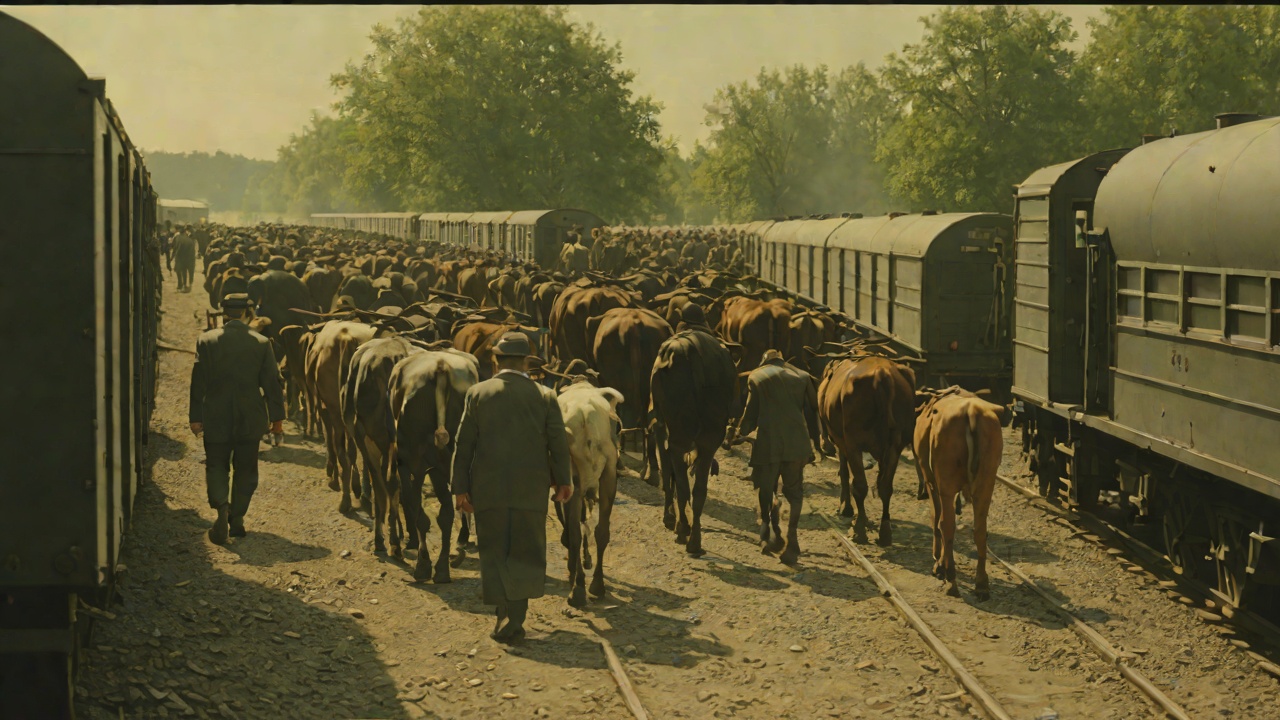
Cattle Train Departure
Lale Sokolov boards a wagon built for livestock, dressed in a pressed suit and tie, with no idea that he is on his way to Auschwitz. Men around him argue, pray, and sometimes fight, while Lale tries to turn fear into hope with small words of encouragement.
Conditions on the Train
He learns that the Slovak authorities have handed young Jewish men over as labor. The wagon fills with filth, hunger, and the stench of unwashed bodies. A young man named Aron moves toward him, asking whether they should fight the guards.
The Vow Beneath the Surface
Lale keeps his composure, but inside he is as terrified as anyone. His quiet strategy is already taking shape: do what is told, observe everything, and find a way to live until he can walk out free.
Auschwitz Processing
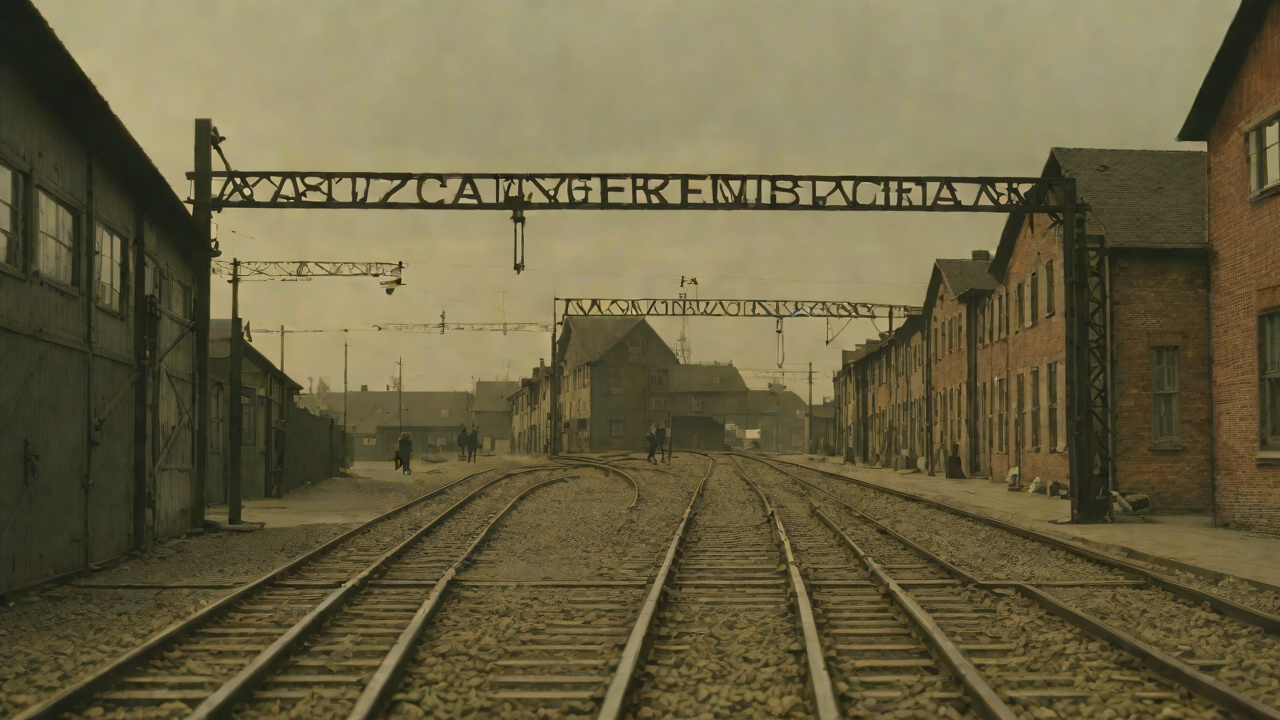
Auschwitz Processing
After days on the train, Lale Sokolov is forced onto the ramp at Auschwitz. He sees the iron gate with the words 'Arbeit Macht Frei' and understands the slogan as a sick joke. His suitcase and his mother's books are taken from him before he even knows what is happening.
The Tattooing
The processing line strips him of his clothes, shaves his head, and pushes his left arm onto a table. The number 32407 is stabbed into his skin with a wooden stick and a needle. He stares at the mark, realizing that this number may define the rest of his life.
Choosing Survival
Lale sets fire to his jacket lining in a last act of free will, then joins the shower. He leaves the building in a Russian uniform and wooden shoes, marching toward Birkenau. The vow that forms in him is simple: he will live to leave this place.
First Night Vow
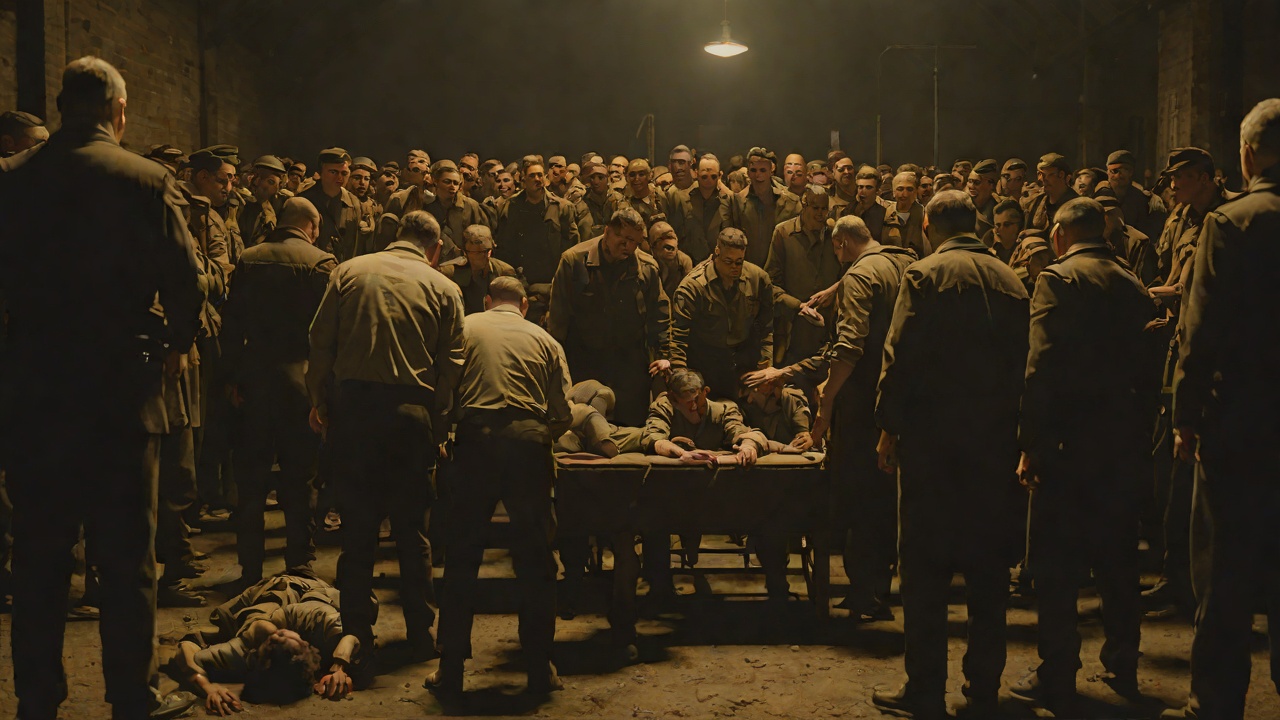
First Night Vow
Lale Sokolov and Aron are shoved into Block 7 with dozens of exhausted prisoners. Hunger cramps keep them awake, and the threat of random violence hangs over every movement. Lale searches for a place to relieve himself and discovers the primitive latrine ditches behind the block.
Witness to Murder
Two SS officers casually approach in the semidarkness, flip their cigarettes into the air, and open fire on three prisoners sitting over the ditch. Lale presses his back against the wall, watching one of the murderers pass close enough to see that he is just a boy.
The Oath
Back on his bunk, Lale makes a private oath: he will survive and see these men burn in hell. He remembers his family in Krompachy and hopes his sacrifice is keeping them safe. The vow becomes the engine of his endurance for the next three years.
Tätowierer Appointment
Tätowierer Appointment
Lale Sokolov wakes from typhus to find himself alive because Aron pushed him off the death cart and other men risked their lives to feed him. An older French prisoner named Pepan has been nursing him and watching for a sign that he is worth saving.
Pepan's Offer
Pepan reveals that he is the camp tattooist, the Tätowierer, and asks Lale to work beside him. Lale recoils at the idea of scarring people, but Pepan argues that someone with less soul will do it worse. Lale agrees, knowing the role may offer protection and information.
A New Position
When Pepan disappears, Oberscharführer Houstek declares Lale the Tätowierer. The job gives him a room, extra rations, and the chance to move through the camp with a bag-shaped shield. It also makes him more visible to the SS and more isolated from other prisoners.
Escape from Saurer-Werke
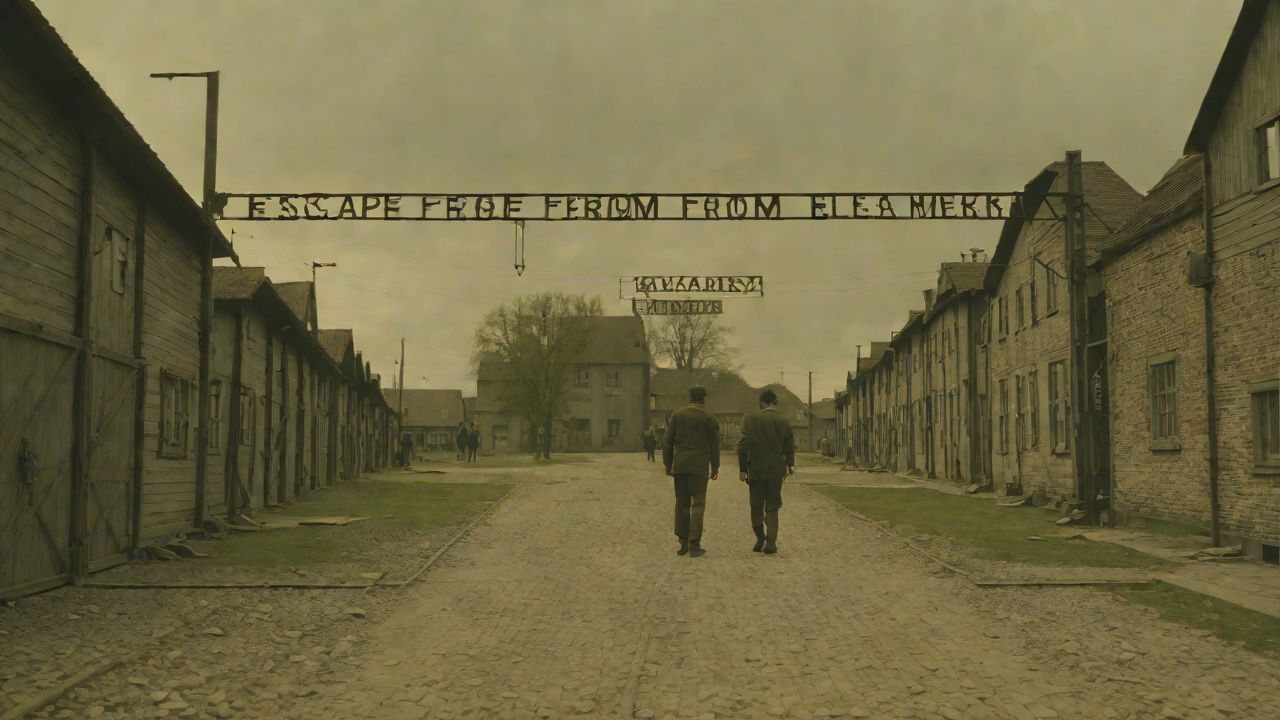
Escape from Saurer-Werke
After being evacuated from Birkenau, Lale Sokolov is moved through Mauthausen and then to Saurer-Werke in Vienna. He hides his identity as a Jew by claiming to be Catholic and gulps down the last questions of the aging commandant.
The Fence and the River
Lale finds a weak point in the camp fence, crawls under it in daylight, and slips into a forest. He reaches a river and swims through freezing water while cannon fire tears the darkness above him. Collapsing on the far bank, he wakes with his clothes half dry.
Toward Freedom
He walks until he meets Russian soldiers. At first they ignore him, but an officer recognizes that his languages could be useful. Lale is taken to an opulent headquarters, given a bath and fine clothes, and told he will procure women for the Russians. He chooses the right moment to steal away again, carrying hidden diamonds toward home.
Reunion in Bratislava
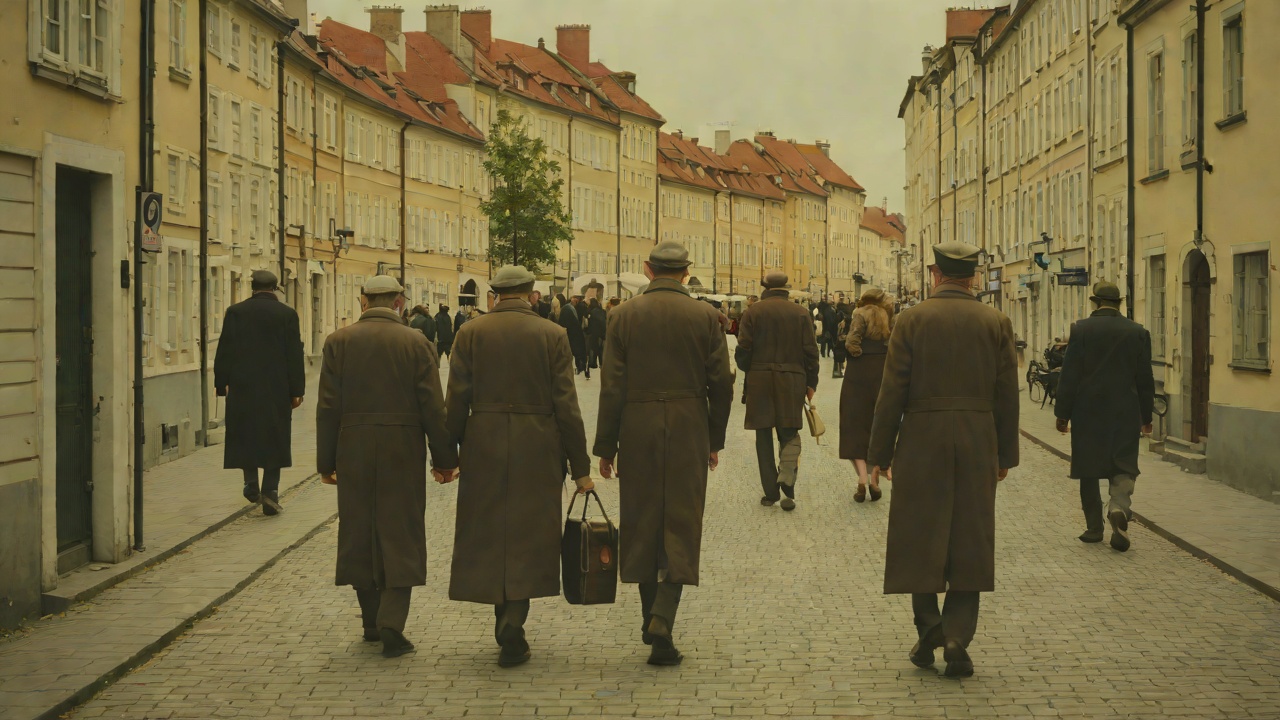
Reunion in Bratislava
Lale Sokolov returns to Krompachy and finds his sister Goldie Sokolov alive. His parents were taken weeks after he left, and his brother Max Eisenberg was killed as a partisan. He learns from neighbors that survivors have been gathering in Bratislava.
Searching the Trains
Lale buys a horse and cart with diamonds and waits at the Bratislava station for weeks, approaching every woman who may have been in Birkenau. He asks whether anyone knows Gita Furman, the girl from Block 29.
The Cart Stops
Gita Furman walks down a main street with two friends when a horse-drawn cart stops in front of her. Lale climbs down and drops to his knees. Gita says she loves him, and he asks her to marry her. She says yes, and the couple disappears into the crowded street together.
April 1942, during deportation from Slovakia
April 23, 1942, at Auschwitz
first night at Birkenau, late April 1942
early summer 1942, after Lale recovers from typhus
April 1945, from the Saurer-Werke subcamp near Vienna
late summer 1945, after the war's end
